
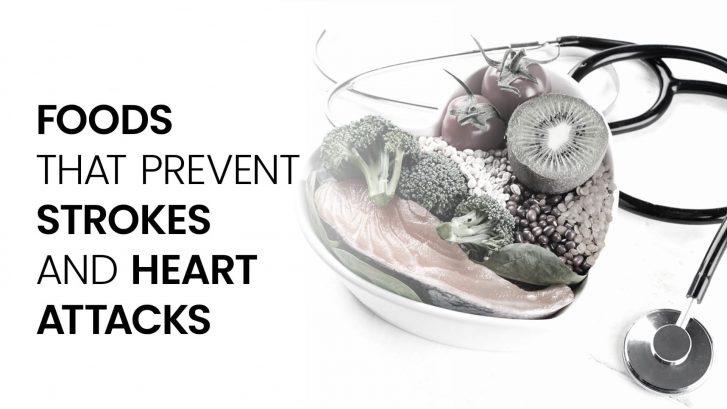
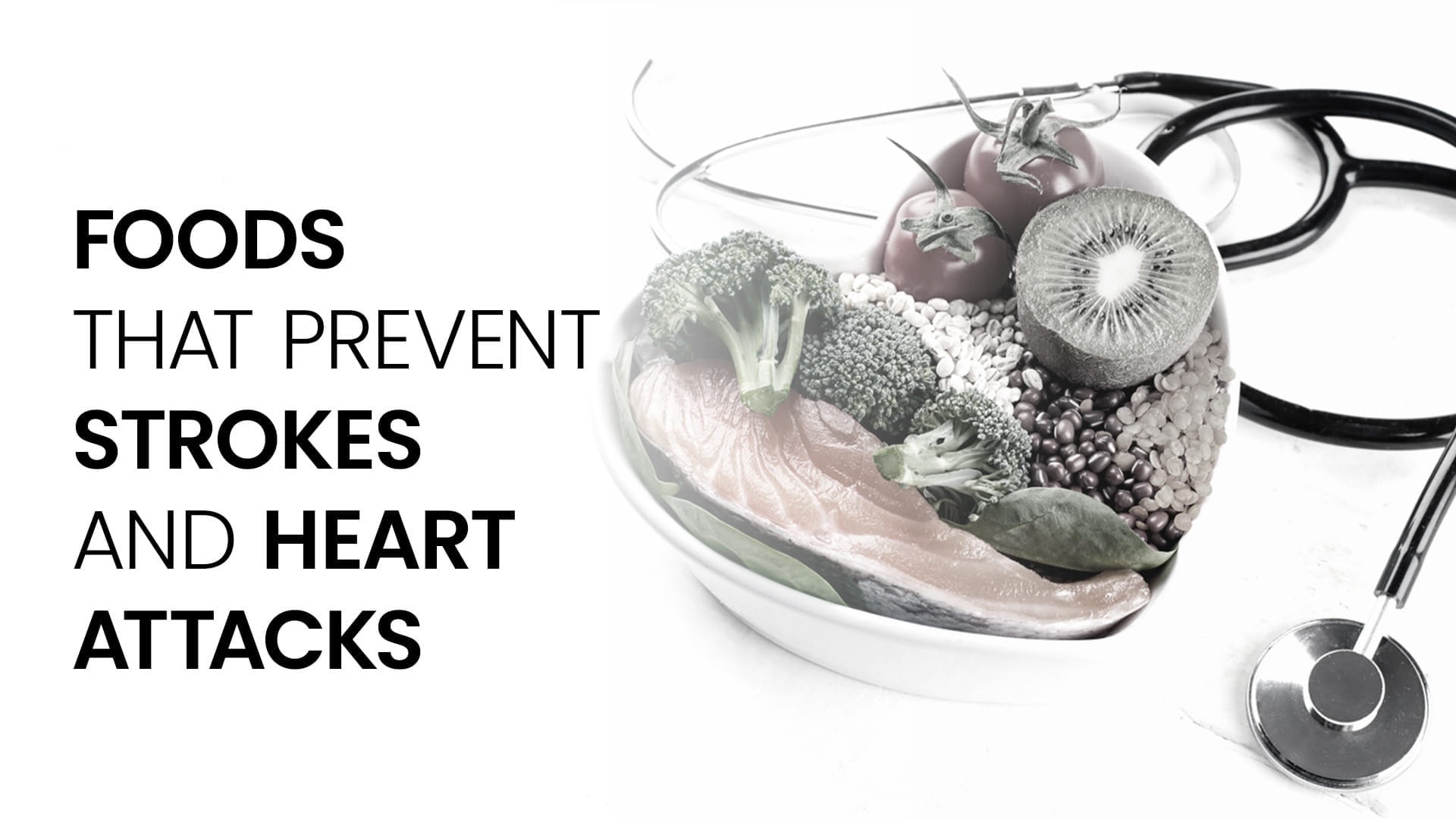
Foods that Prevent Heart Attacks
We often hear that eating healthy is good for our hearts, but can the food we eat actually help prevent a heart attack?
The answer is yes. While no single food can completely prevent a heart attack, making healthier food choices can lower your risk of heart disease and help keep your heart healthy.
The good news is that you don’t need to follow a strict diet or give up all your favourite meals. Small changes in what you eat every day can make a real difference.
How Does Food Affect Your Heart?
Your heart works around the clock, pumping blood throughout your body. Just like the rest of your body, it needs the right nutrients to stay healthy. What you eat can affect your blood pressure, cholesterol levels, blood sugar, and weight.
All of these play an important role in your heart health. Eating too much salt, unhealthy fats, and sugary foods can increase your risk of developing heart problems over time.
On the other hand, a balanced diet with plenty of vegetables, fruits, whole grains, and healthy fats can help protect your heart. Think of healthy eating as a way of taking care of your heart before problems begin.
7 Foods That Can Help Keep Your Heart Healthy
You don’t need expensive ingredients or complicated recipes to keep your heart healthy. Many everyday foods can support your heart health.
1. Green Vegetables
Vegetables like spinach, broccoli, and cabbage are packed with vitamins, minerals, and fibre that are good for your heart. Leafy greens also contain nutrients that help support healthy blood pressure.
Add a serving of vegetables to your lunch and dinner. Even a homemade vegetable curry prepared with less oil can be a healthy choice.
2. Fruits
An apple, orange, guava, or a handful of berries can be a great addition to your daily diet.
Fruits provide fibre, vitamins, and antioxidants that support heart health. Eating whole fruits regularly can also help you choose healthier snacks instead of sweets and processed foods.
Choose a whole fruit instead of packaged juice. Whole fruits contain fibre and are generally more filling.
3. Nuts and Seeds
Almonds, walnuts, flaxseeds and chia seeds contain healthy fats that can help improve cholesterol levels when eaten as part of a balanced diet. Walnuts are particularly known for containing plant-based omega-3 fats, which support heart health.
Enjoy a small handful of unsalted nuts as a snack instead of chips or biscuits. Remember that nuts are nutritious but also high in calories, so portion size matters.
4. Fish
Fish such as salmon, sardines, and mackerel contain omega-3 fatty acids, which are beneficial for heart health.
These healthy fats can help lower triglyceride levels, a type of fat found in your blood. Try including fish in your meals twice a week. Grilled, baked, or lightly cooked fish is generally a better option than deep-fried fish.
5. Whole Grains
Whole grains such as oats, brown rice and whole-wheat roti are good sources of fibre. Fibre can help lower unhealthy cholesterol levels and keep you feeling full for longer.
Replacing refined grains with whole grains is a simple way to improve your everyday diet. Start your morning with a bowl of oats or choose whole-wheat roti more often.
6. Beans and Lentils
Daal, chickpeas, kidney beans, and other lentils are affordable, filling, and good for your heart. They contain plant-based protein and fibre, making them a healthy alternative to eating red or processed meat too often.
They can also help support healthy cholesterol and blood sugar levels. Include daal or chickpeas in your weekly meals. Try preparing them with less oil and salt.
7. Healthy Oils
Not all fats are bad for your heart. Your body needs some fat to function properly, but the type of fat you eat matters. Unsaturated fats found in olive oil, canola oil, nuts, and seeds are generally better choices than foods high in saturated or trans fats.
Use moderate amounts of healthier cooking oils and reduce your intake of ghee, butter and deep-fried foods.
Foods You Should Avoid
Eating healthy isn’t only about adding nutritious foods. It’s also about knowing which foods to limit. You don’t have to completely stop eating everything you enjoy, but having certain foods too often can affect your heart health.
Here are a few things to watch out for:
- Deep-fried foods: Samosas, pakoras, fries and other fried snacks can add unhealthy fats and extra calories to your diet.
- Too much salt: Excess salt can raise blood pressure, increasing your risk of heart disease and stroke.
- Sugary drinks: Soft drinks, energy drinks and sweetened juices can contribute to weight gain and poor blood sugar control.
- Processed meats: Sausages, salami and similar products often contain high amounts of salt and saturated fat.
- Excessive butter and ghee: These are high in saturated fat, which can raise LDL, often called bad cholesterol.
The goal is not to avoid every treat. It’s to make healthier choices most of the time.
Can You Still Eat Traditional Pakistani Food?
Absolutely!
Eating for a healthy heart doesn’t mean you have to stop enjoying homemade Pakistani meals. In fact, many traditional foods can fit into a heart-friendly diet with a few small changes.
For example, you can enjoy daal with whole-wheat roti, homemade chicken curry prepared with less oil, grilled fish with vegetables, or a bowl of chana chaat with fresh ingredients.
Even biryani can be enjoyed occasionally. Try having a moderate portion, adding a side of salad, and avoiding extra oily accompaniments.
What matters most is how often you eat certain foods, how you prepare them, and how much you eat.
Is Healthy Eating Enough to Prevent a Heart Attack?
A healthy diet can significantly reduce your risk of heart disease, but it cannot guarantee that you will never experience a heart attack. Other factors, including age, family history, smoking, diabetes, high blood pressure and high cholesterol, can also affect your risk.
That’s why it’s important to monitor your health, especially if heart disease runs in your family or you already have a medical condition. Regular health checkups can help identify problems such as high blood pressure, diabetes and high cholesterol before they lead to serious complications.
If your doctor has prescribed medication, healthy eating should support your treatment, not replace it. If you experience chest pain or pressure, unusual shortness of breath, cold sweats or pain spreading to your arm or jaw, seek emergency medical help immediately.